In honour of the Women’s marches taking place across cities in North America and the world, I have decided to write about one of the issues that is- still- highly contested and attacked: safe, legal, and free access to abortions.
In Canada, although abortions are not criminalized no law guarantees women’s access to this health service. Right now, proposed “Bill 207” in Alberta could severely limit access to sexual and reproductive health services including abortions, according to Amnesty International.
In Mexico, only the capital city provides abortion services free of charge. However, abortion is still included in the criminal code of the country. In El Salvador- which practices an outright ban- women can be charged with “homicide” if they are suspected of having an abortion.
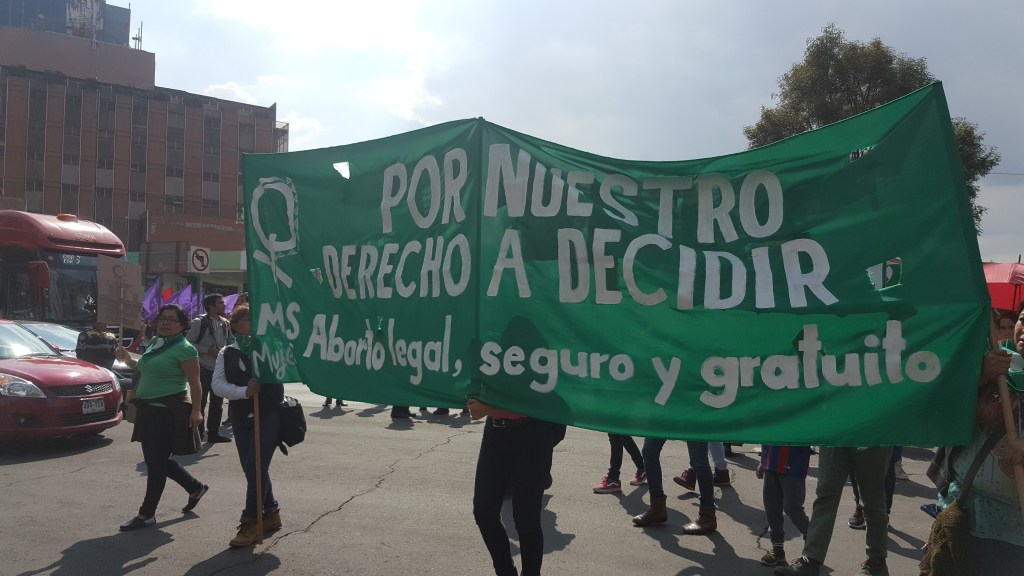
The ani-abortion rhetoric in El Salvador- and in many other places- is highly linked to religious and moral principles of people, and of course- to the continued violence exercised against women through the control of their bodies and sexualities.
I believe that to change laws, you need to win people’s hearts; especially in countries where the anti-abortion rhetoric is predominant. For this reason, I have developed my own sort of “guide” that I use when engaging in conversations about the topic.
Before I start writing down my list I need to point out some important things : I never have conversations with people on Facebook, or with people I barely know. Second, I only talk to people who are open to have a conversation based on mutual respect. Finally, you are not responsible for having conversations with people, specially if you know that the conversation will hurt you. There are some people who are just not worth my time- and distancing from them is what is good for me and keeps me motivated to continue my work 😊 Here is my list :
1.- I never engage in conversations about whether is right or wrong to have abortions. For me, the conversations is about women’s access to legal, safe, and free abortions. I always bring the conversation back to “we are not discussing if it’s right or wrong, we are discussing whether it should be punished by law or not” . The “right or wrong” conversation is not relevant on health issue that endangers the lives of so many women.
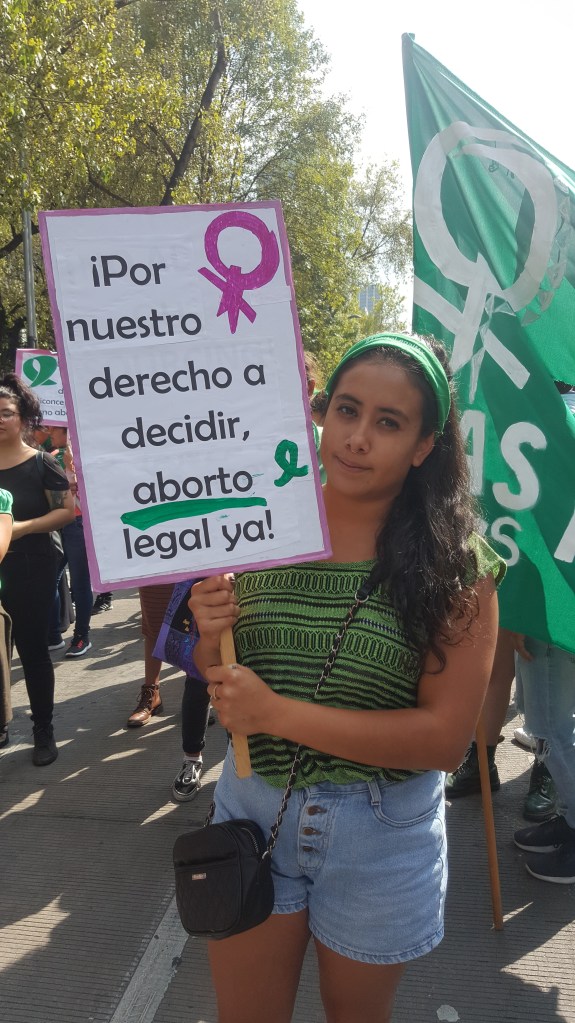
2.- Something that has helped a lot is asking people if they think that women who have abortions should be in jail. This question really throws people off balance, and it really opens the conversation about the “legal side” of the issue. I usually use phrases like: “What the movement is trying to achieve is that women are not put in jail for having abortions” I have found that many people who think abortions are wrong don’t go as far as thinking it should be punished with prison.
3. -I always try to explain the many gray areas that criminalizing abortions creates. I explain how women in El Salvador who suffer miscarriages can be accused of homicide and be sent to jail. Or how in countries with restrictive abortion laws, women are denied the right to terminate their pregnancies, even when the pregnancy endangers their lives. Doctors often wait until a woman is at severe risk of dying before they can terminate the pregnancy, and even then, they risk being accused of homicide. Again, I try to put people first with sentences that sound like this “If I am happily pregnant, but I suffer I miscarriage, do you think I should go to jail?
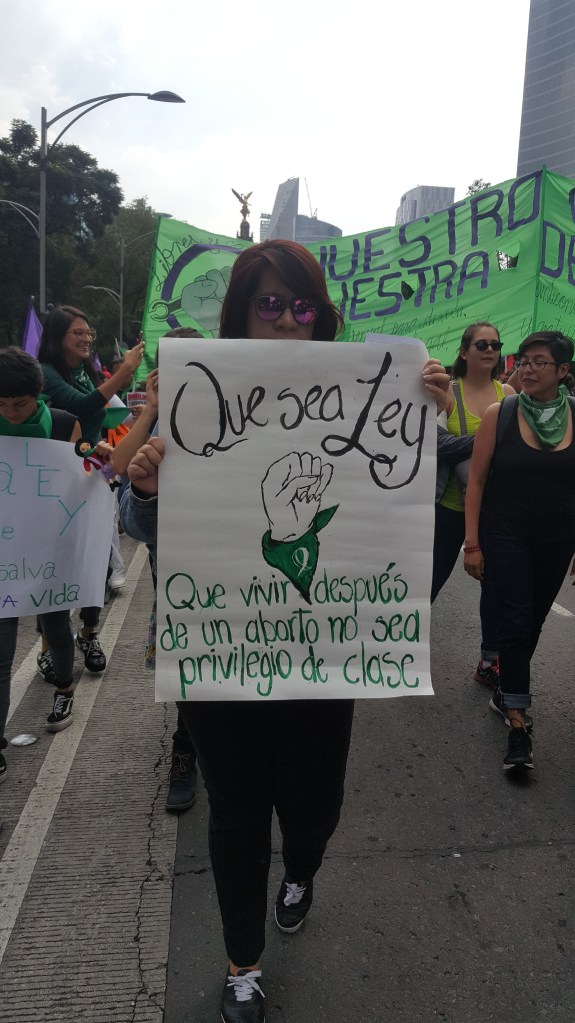
4.- Use real stories of people who have suffered the negative effects of criminalizing abortions, and explain what the “extremes” – El Salvador- look like.
5.- Talk about the social, economic, and health problems that forcing women to carry pregnancies to full term, creates for the entire society. Explain how WOC, indigenous women, women in rural areas and women living in poverty are more vulnerable to restrictive abortion policies. And how adolescent pregnancy can have many negative social and economic effects on the future of parents.
6.- Finally, I always remind people that: criminalizing abortions does not reduce abortions- period. What reduces abortions, is granting people with free access to contraceptive methods, comprehensive sexual education, and eliminating violence against women at all levels.
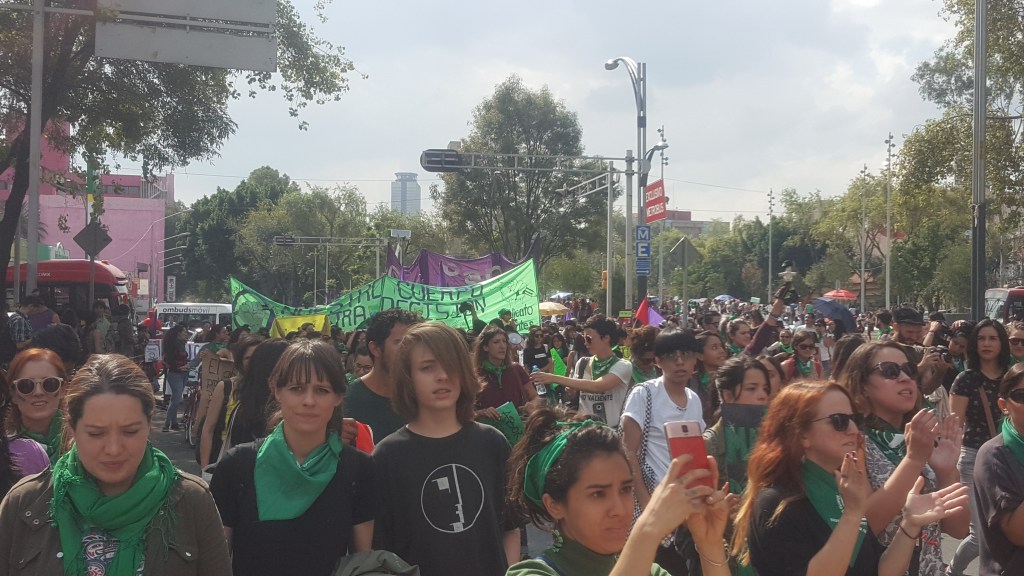
I hope this guide helps you engage in respectful and meaningful conversations with people- especially people that you care who lack knowledge about the issue 😊 Stay safe, and always prioritize your well-being and your mental health!
Happy marching day !
 My Activism Blog