El gobierno de AMLO le falla a las mujeres: las recomendaciones existen, pero falta voluntad política para implementarlas

El gobierno de AMLO le falla a las mujeres: las recomendaciones existen, pero falta voluntad política para implementarlas

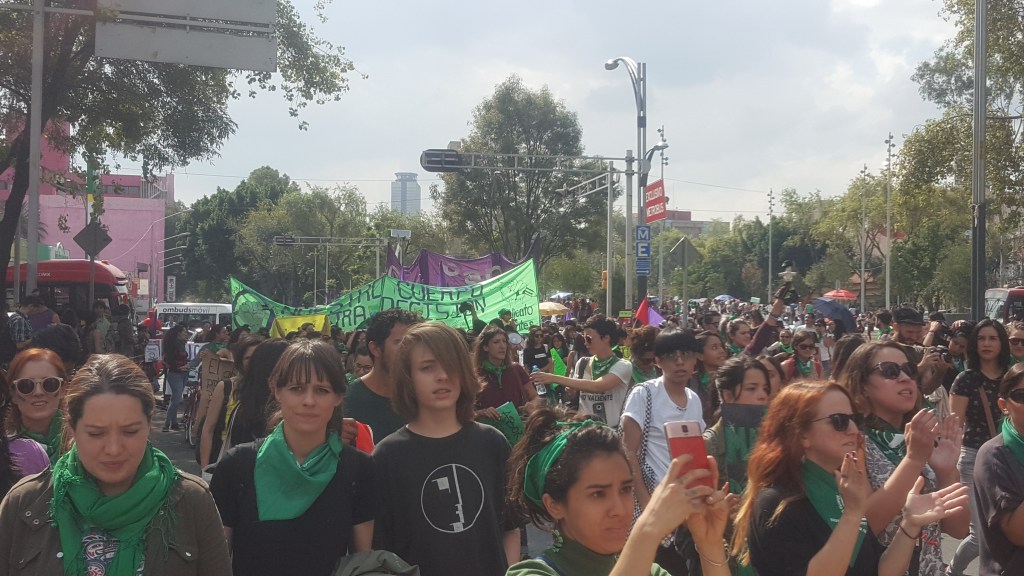
El feminicidio de Ingrid nos ha dejado heladas, sin palabras, con la rabia atorada en la garganta.

La violencia contra las mujeres en el país es simplemente indescriptible y mencionar las cifras ya no basta.

No bastan los comunicados de prensa, las disculpas a media y las promesas vacías de la señora Sheinbaum y de demás funcionarixs en todo nivel de nuestro gobierno.

Se necesitan acciones concretas y uniformes en el país.

Hoy más que nunca el gobierno federal debe tomar la responsabilidad de coordinar la estrategia para eliminar la violencia contra la mujer a nivel nacional.

Es cierto que eliminar la violencia contra las mujeres no es una tarea fácil, ya que es un problema complejo, asentada en una cultura machista y alentada por un sistema patriarcal.

Sin embargo, existen recomendaciones puntuales por organizaciones internacionales y nacionales expertas en la materia, existe la literatura e investigación profunda sobre como erradicar la violencia de género.

Lo que no ha existido en México es el compromiso serio de los gobiernos para implementar estas recomendaciones, el gobierno de la 4T no se exime de la falta de compromiso.

En junio de 2019, se publicó una síntesis de recomendaciones sobre la violencia feminicida en México por la Comisión Nacional de los Derechos Humanos en el Diario Oficial de la Federación.

A casi un año desde estas recomendaciones – y pese a las muchas manifestaciones y exigencias de grupos en todos los estados del país- las mujeres siguen siendo asesinas a diario. La información de los casos sigue siendo filtrada, y la impunidad no se termina.

¿Cuáles son algunas de estas recomendaciones que siguen sin ser implementadas?

  1. Creación de un programa nacional integral para prevenir, atender y sancionar la violencia contra las mujeres que cuente con objetivos específicos, metodologías de evaluación y presupuesto.
  2. Reforzar y crear mecanismos de recopilación de datos sobre la violencia contra las mujeres y las niñas, incluyendo feminicidios y desapariciones.
  3. Creación de un servicio civil con especialidad en género y violencia de género en todos los niveles de gobierno
  4. Reformar las leyes de acceso de las mujeres a una vida libre violencia y los códigos penales con el objetivo de armonizarlos con los más altos estándares de derechos humanos.
  5.  Creación de un protocolo para servicios de salud pública sobre la prevención, atención, detección y notificación de violencias en las víctimas de violencia de género.
  6. Responsabilidad de la Secretaría de Seguridad Publica y sus equivalentes en los estados de crear protocolos uniformes para responder a denuncias de violencia contra la mujer.
  7. Capacitar al personal policial en la atención de primer contacto de casos de violencia de género y en la ejecución adecuada del mismo.
  8. La Fiscalía General de la República, y las Fiscalías y Procuradurías de Justicia en las Entidades Federativas deben contar con un protocolo de investigación criminal para el delito de feminicidios con perspectiva de genero y derechos humanos

Algunas otras recomendaciones por organismos internacionales como la ONU Mujeres sin el brindar servicios jurídicos especializados y gratuitos para mujeres y niñas y aumentando la cantidad de mujeres en los cuerpos de policía y en los principales servicios.

Así como la creación de planes nacionales a largo plazo que busquen eliminar prácticas y estereotipos culturales- tales como el machismo- que ponen en peligro la vida de las mujeres.

Las mujeres en México ya no pueden esperar. Exigimos al gobierno que se tome como primera y máxima responsabilidad el implementar las recomendaciones que ya existen para detener la violencia de género en el país.
How can we achieve real and sustainable change?

How can we achieve real and sustainable change?

For the past months I have been experiencing what I call an “activist existential crisis”.

It has been difficult to see all the wrong things happening in the world, from the lack of action on climate change, to continued violence against indigenous peoples, and the growing hateful rhetoric against migrants and refugees everywhere in the world.

I love being part of collective actions and learning with and from people. Still, I often feel that some actions do not lead to concrete results -despite the passion and dedication from activists and organizations.

So, I keep asking myself, how can we achieve real and sustainable change? How can we inspire people to take action? How can we use the resources we have efficiently and effectively?

Hours of reading about the topic leave me with one conclusion: we need more people who support our causes. And to get more people to care, we may need to engage with people that may not agree with us.

Embed from Getty Images

I know that many people reading cannot imagine engaging with people that have the complete opposite values to the ones we try to defend.

However, in the real word, these people are part of our society and have the right to vote and/or run for office.

Tell me about any social issue you care about; the truth is that strong laws that protect people- especially vulnerable communities- are vital for achieving real and sustainable change.

And to have these laws we need enough people caring or at least supporting our cause. More people in our side means more people voting representatives that care about these issues.

Embed from Getty Images

And to illustrate this, I want to reference two articles which give great examples of how we can make activism more efficient and effective.

The first article is called When Does Activism Become Powerful? by Hahrie Han.

Hahrie and their team are studying “successful” campaigns and/or movements with the goal of finding out if what do these movements have in common.

According to their study, what all these “winning” campaigns have in common is that they see people – regardless of their ideology /beliefs- as the source of their power.

 “People in these organizations acted not as outraged ideologues but instead as human, connected to one another, seeking a better world”

Hahrie Han

The article gives the example of a a ballot initiative in Cincinnati to implement a new tax which would significantly benefit poor black communities. Cincinnati is one of the most racially dived cities in the U.S

The strategy of AMOS (the organization behind the campaign) was to develop a six-week racial reconciliation program in which participants listened to each other and reflected on their racial biases.

Once trust was built, the movement was unstoppable: the initiative won by 24 percentage points, the largest margin of any new education initiative in the history of Cincinnati.

Embed from Getty Images

The second article “How to talk someone out of bigotry” by Bryan Resnick also makes the argument that to change people’s beliefs we need to be willing to talk to them.

The article talks about a new activism strategy called “Deep canvassing”, that consists primarily in engaging in conversations with people that oppose your cause.

Canvassers listen respectfully to the reasons why people oppose an issue and after the “opponent” tells their story, the canvassers then shares a story of their own (usually about the issue in matter).

The goal is to find common ground between people that think differently and to inspire the feeling of empathy based on a heart -to heart conversations.

Embed from Getty Images

 Yikes, right? But is seems to work.

The articles include the case study of a campaign where LGBTQ activists achieved to win a ballot to keep a law that protects the rights of trans people in Massachusetts.

These group of activists used “Deep canvassing” to start healthy conversations with people that did not support the law:

“If they met a voter who wanted to get rid of the law, they wouldn’t call them out… they did something more radical: They listened, non judgmentally, and began a conversation”

Bryan Resnick

Studies are showing that “calling people out” only makes people more adverse to your cause mostly because they feel “threatened”.

Deep canvassing works because you treat the person across you with respect. And instead of trying to make them change their mind, you are only trying them to feel empathetic towards your cause.

“The new research shows that if you want to change someone’s’ mind you need to have patience with them… Its not about calling people out or labeling them fill-in-the-blank- phobic”

Bryan Resnick

As a way of concluding this post I want to say that while I find these articles and the debate they are opening interesting and enriching. For many people who experience are affected by racist, xenophobic and other discriminatory practices, talking to the people that contribute to their pain is simply not possible.

Having said this, I do believe in the power of words. I am still open to talk to people who are willing to have conversations based on mutual respect.

What do you think ? 😊

El Traidor: el libro que todo mexicano debe de leer

El Traidor: el libro que todo mexicano debe de leer

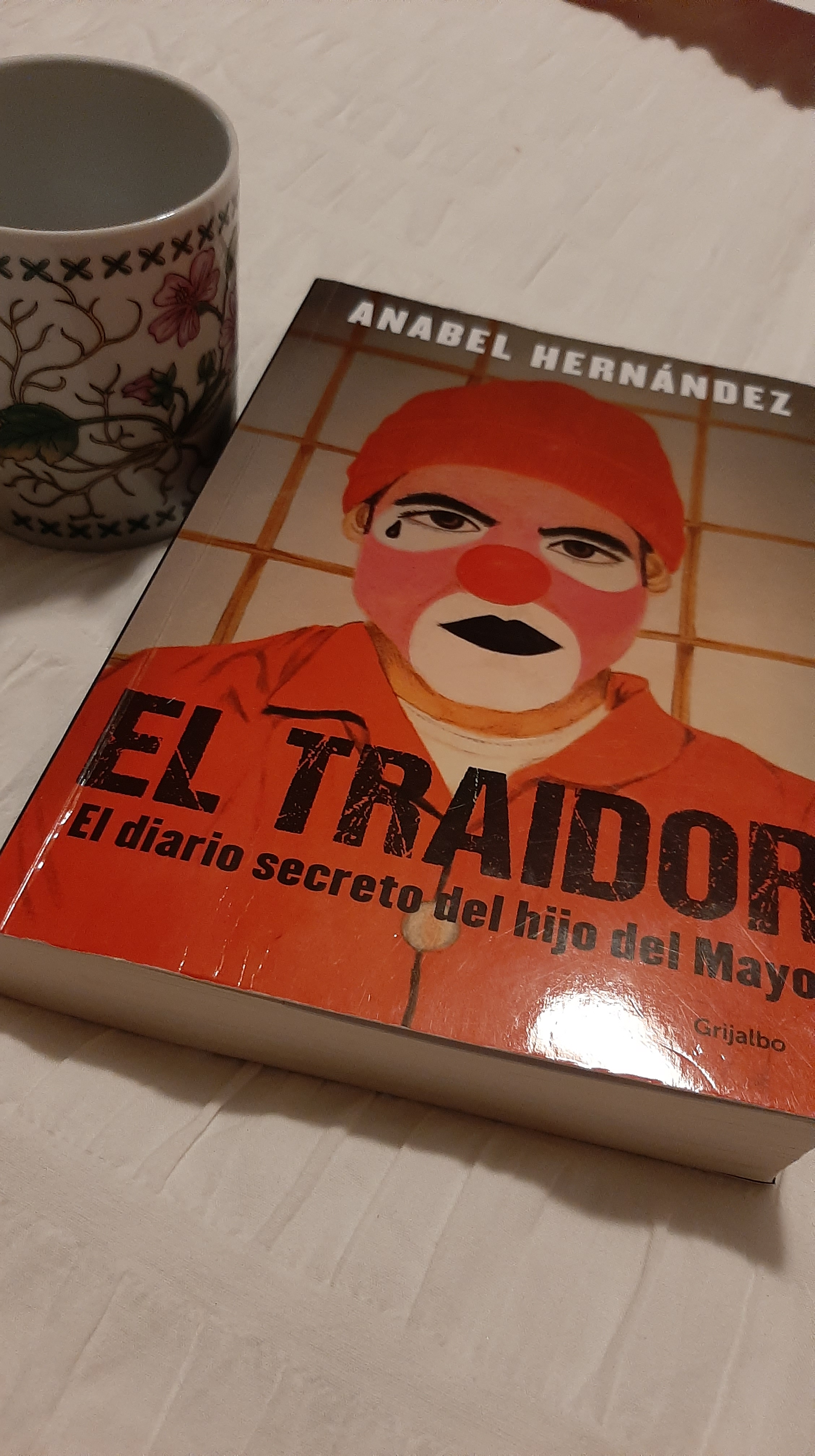
Hoy quiero escribir sobre un libro que cambió por completo mi manera de pensar acerca del narcotráfico y su relación con el gobierno mexicano. Este libro es El Traidor, fruto de más de 10 años de investigación por la periodista Anabel Hernández. Para mí, El traidor es el libro que todo mexicano debe de leer.  

Es un libro que nos cuenta la historia de cómo el interés económico de nuestros gobernantes ha llevado a México a ser uno de los países más violentos en el mundo.

Es un libro que en cada página grita y exige justicia para las más de 50 000 personas actualmente desparecidas en el país y para las más de 250 000 personas que han muerto desde la llamada “guerra contra el narcotráfico”.

Como breve resumen es importante mencionar que el libro está primariamente basado en los testimonios del Vicentillo– hijo del Mayo Zambada- testimonios que Anabel obtuvo directamente del abogado del Vicentillo.

Estos son los mismos testimonios que el Vicentillo ha brindado al gobierno americano como testigo protegido durante la última década.  

Si alguien duda de la veracidad de estos testimonios, el gobierno americano no lo hizo.

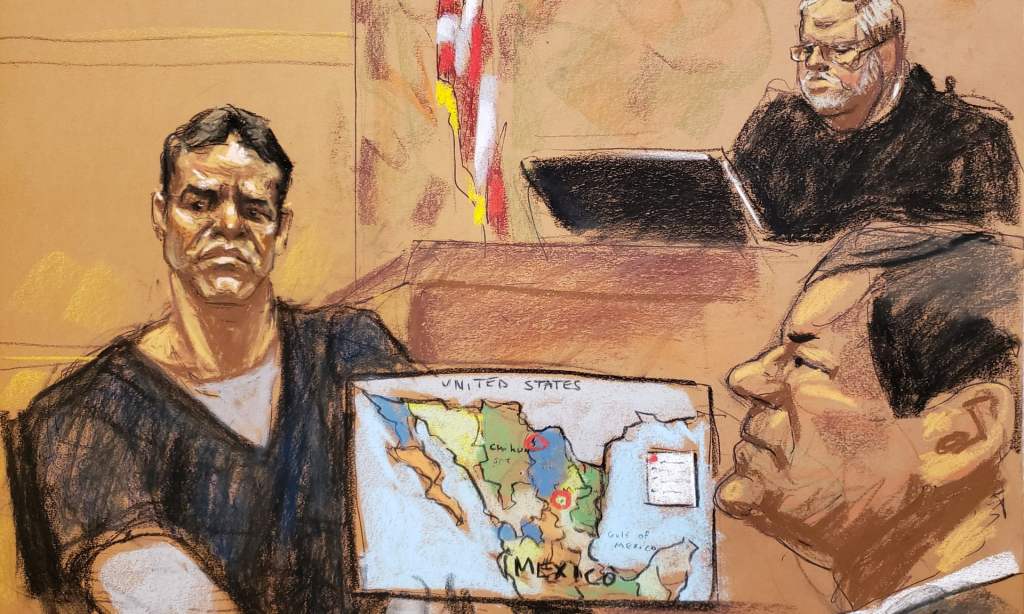
 El Vicentillo fue testigo clave en el juicio contra el Chapo Guzmán quien es nada más y nada menos que su compadre y mano derecha de su padre- el Mayo Zambada.

Los testimonios del Vicentillo también mencionan a figuras del estado mexicano como Genaro García Luna, quién actualmente enfrenta un proceso judicial en Estados Unidos por brindar protección al Cartel de Sinaloa a cambio de millonarias sumas de dinero durante su cargo como Secretario de Seguridad Pública en el gobierno de Felipe Calderón.  

Tras años de colaboración, el Vicentillo recibió únicamente 14 años de prisión y al cumplir su condena él y su familia permanecerá en territorio estadounidense bajo protección del estado.

Mi análisis de El traidor

Resumir este libro en unas cuantas páginas es imposible por la cantidad y la calidad de la evidencia que Anabel nos presenta.

Sin embargo, creo que hay tres grandes ideas que el libro toca directa o indirectamente y las cuales considero son muy importantes de menciona a continuación las resumo:  

Idea #1:  La guerra contra el narcotráfico no se puede ganar porque la guerra nunca comenzó

Desde la primera página Anabel muestra evidencia que revela el profundo nivel de complicidad y colaboración entre el gobierno mexicano y el Cártel de Sinaloa.  

Anabel explica que el gobierno mexicano tiene conocimiento exacto sobre la dirección de las casas, departamentos, y negocios de los principales capos de la droga. Así como la hora y lugar de llegada de grandes cargamentos de droga, y el camino por el cual la droga se traslada a los Estados Unidos.

Con respecto a la “guerra contra el narco” que comenzó en el sexenio de Felipe Calderón, la evidencia y testimonios del Vicentillo sugieren que la supuesta guerra es, en realidad, la mayor mentira vendida a los mexicanos en la historia moderna del país.

Por medio de sus escritos, el Vicentillo explica que la guerra comenzó cuando Cártel de Sinaloa y la organización de los Beltrán Leyva rompieron relaciones iniciando así uno de los periodos más violentos en la historita del narcotráfico mexicano.

El rol del gobierno mexicano no fue el de proteger a los ciudadanos de dicha guerra. Desde agentes de las policías municipales hasta generales de marina, el estado mexicano se fragmento en bandos que apoyaban a la organización que más dinero proporcionara.

Mientras tanto la muerte de ciudadanos inocentes era un daño colateral tanto para los cárteles como para el estado mexicano.

Embed from Getty Images

Hay dos frases que Anabel resalta en varias ocasiones a lo largo del libro, ambas forman parte de los escritos del Vicentillo:

“Trabajamos para el gobierno, nos traen a la carrera y aparte trabajando para ellos” y “El 99% de la PGR son corruptos, no hay siquiera uno que no tome dinero”

El Traidor (2019) Anabel Hernández.

Estas impresionantes frases logran capturar la cruda realidad de nuestros gobiernos y nuestro sistema político: el narcotráfico y el estado mexicano son uno mismo.

Idea #2: La DEA es tan culpable como México de venderse al mejor postor

Otra de las grandes revelaciones del libro de Anabel es el gran detalle con el cual el Vicentillo cuenta la corrupción dentro de las agencias de inteligencia estadounidenses.

De acuerdo con el Vicentillo, el Cártel de Sinaloa daba información tanto a la DEA como al gobierno mexicano para que estos arrestaran a gente de cárteles enemigos. A cambio el Cártel de Sinaloa obtenía protección para sus cargamentos

Anabel también explica que el gobierno americano se ha negado a admitir la corrupción dentro de sus agencias.

Tanto en el juicio del Chapo Guzmán como en el de Vicentillo, la fiscalía de Estados Unidos negó a las defensas hablar y utilizar evidencia que prueba la colaboración de la DEA con el cártel.

Idea #3: El caso del Vicentillo representa la historia de muchos mexicanos que tienen como único futuro ser parte del narco

Muchos medios e investigadores hablan sobre la descomposición social de México la cual orilla a cientos de mexicanos a unirse a los grupos de la droga. Sin embargo, no hay- hasta el momento- un caso tan importante y sólido para ilustrar este fenómeno como es el caso del Vicentillo.

El Vicentillo no se “volvió” narco, él nació siendo narco.

Según cuenta el Vicentillo, su padre lo intento mantener fuera de sus negocios, pero poco a poco comenzó a ayudar en el negocio y cuando menos se dio cuenta era parte del cártel.

El Vicentillo también ha expresado que él nunca quiso esa vida, razón por la cual contactó a la DEA – con el conocimiento de su padre- para buscar algún arreglo que le permitiera “salirse” del negocio.

Embed from Getty Images

El caso del Vicentillo es similar al de muchos mexicanos y mexicanas que viven en regiones controladas por el narco y en las cuales la principal fuente de empleo son los cárteles de droga.

Yo me pregunto, ¿cuál es el futuro de las nuevas generaciones que crecen viendo a sus padres ser narcos?   ¿Qué depara a estos niños y niñas que crecen con el ideal de trabajar como sicarios o vendedores de droga?

Es triste pensar que México ha llegado a tal nivel, en el cual, personas en regiones enteras no tienen mejor futuro que el de una vida llena de violencia, muerte y dolor.

Últimos pensamientos

El único culpable de toda esta violencia es el estado mexicano, conformado por políticos, ex-presidentes, jueces, policías militares. Sus acciones pueden ser descritas como crímenes de lesa humanidad, y no habrá justicia hasta que personajes como García Luna y de mas alto nivel enfrenten procesos judiciales en cortes mexicanas.

Finalmente, solo puedo expresar mi profunda admiración por Anabel Hernández, quien ha arriesgado su vida por dar a conocer una historia tan importante para los mexicanos. Gracias Anabel, por tu trabajo tu valentía y tu coraje. 

Mientras políticos celebran firma de T-MEC, Homero Gómez defensor de territorio es asesinado

Mientras políticos celebran firma de T-MEC, Homero Gómez defensor de territorio es asesinado

El pasado 29 de enero por la mañana, políticxs y empresarixs en México celebraran la firma del T-MEC en Estados Unidos. Una de las áreas en el TMEC que mas se han celebrado, es la inclusión de un capitulo dedicado a el Desarrollo Sustentable, el que incluye entre entre otras cosas la aplicación de aranceles y otras sanciones a empresas que dañen el medio ambiente.

El mismo día por la noche, se hallaba sin vida el cuerpo del defensor Homero Gómez quien se dedicaba a la protección de bosques y santuarios de la mariposa Monarca en Michoacán. El asesinato de Homero Gómez nos mostró la cruda realidad de México; un país en donde la vida de defensorxs de tierra y territorio no tiene valor para el Estado.

México ocupa el lugar número 4 a nivel global de los países más peligrosos para defensorxs del ambiente de acuerdo con el reporte de Global Witness. Tan solo en 2018, 21 personas fueron asesinadas por defender el futuro de nuestro medio ambiente.

La ironía de incluir un apartado sobre el “Desarrollo Sustentable” en el TMEC, es que en gran parte el trabajo de defensorxs de ambiente en México (y en el mundo) está directamente relacionado con la oposición a megaproyectos de desarrollo (tales como la minería, construcción de gasoductos, etc.) en territorios que son clave para la protección de el ambiente.


Gráfico de Moisés Butze

Claro ejemplo es el caso de Isaías Cantú Carrasco y Arnulfo Cerón Soriano ambos asesinados por su trabajo ambiental y en derechos humanos. Los dos buscaban proteger territorio en Guerrero ante la explotación minera.

También es importante mencionar que muchos de estos proyectos cuentan con el financiamiento o son liderados por empresas extranjeras. Por ejemplo, en octubre de 2019, Oscar Hernández quien había denunciado a la minera Media Luna por explotación laboral fue desaparecido en Guerrero, Media Luna es filial de la empresa canadiense Torex Gold. La empresa canadiense ha sido acusada en repetidas ocasiones por violaciones a los derechos humanos de los trabajadores, hasta el momento no hay justicia.

La violencia contra defensorxs de tierra y territorio en México no se solucionará con el jargón político incluido en el T-MEC. Lo que se necesita es un cambio profundo y de raíz en donde se priorice la protección y bienestar de nuestro ambiente sobre el supuesto crecimiento económico. Se necesita además de terminar con la completa impunidad que se vive en el país, sin importar influencia política, económica, o de procedencia de los presuntos culpables.

La teoría del Desarrollo Sustentable está llegando a su fin, la evidencia muestra que simplemente no hay manera de sostener a largo plazo el actual sistema económico y político mundial. Se necesitan cambios radicales que ayuden a construir sociedades basadas en el bienestar social, y en donde la acumulación de bienes materiales no sea el objetivo final.

Te recordamos Homero Gómez González, gracias por tu lucha.

We need a male contraceptive pill and we need it now

We need a male contraceptive pill and we need it now

This week I have an appointment to remove my Implanon after 3 years of use and I couldn’t be more excited and frustrated at the same time.

The past three years have been what I describe as a love-hate relationship with my implant. On the good side, it has been great having one of the most (if not the most ) effective methods of birth control- with 99% effectiveness.

However, like everything good in life it has come at a great price- spotting (sometimes for weeks), more headaches and extreme mood-swings; all listed as possible side effects of the implant.

If you use or have used any type of hormonal birth control you know what I am talking about. I mean, you only need to type “side effects of hormonal contraceptives” on a browser and you will find forums and pages dedicated to the topic.

If you do not have ovaries and you are reading this please know that it is really hard for women to find a contraceptive that fits their lifestyles, that they can afford, and that works for their bodies.

Embed from Getty Images

So, why do we keep using hormonal contraceptives even when they cause us adverse effects? Blatantly speaking many of us are terrorized by the idea of “getting” pregnant. Using condoms – which have an 85% effective rate —as our ONLY method of birth is rather brave.

Not only do we feel the side effects of birth control, but very often we have to read/and hear sexist comments on how it is ” women’s fault” “getting pregnant” (like if men did not participate in the process) .

When it comes to birth control we also have to talk about all the women across the world are denied the right to obtain birth control – which constitutes a type of gender-based violence. A recent report showed that only 53 million women have begun using contraceptives since 2012, which is far from the goal of 120 million women experts had hoped to reach by 2020.

And I could write an entire essay on how unjust it is that women have to pay for birth control. Planned Parenthood indicated that in the U.S more than a third of female voters have struggled to afford prescription birth control at some point in their lives.

Embed from Getty Images

For these and many other reasons, I simply cannot wait for the precious moment when male hormonal contraceptives are ready and available to the public- although it seems it wont be around for another 10 years. The world owes women equity when it comes to birth control. And don’t get me wrong, I don’t believe that a male pill will solve all the issues I have mentioned but it will be an opportunity for men to step up and share responsibility for birth control.

For me, it is simple: I expect that me and my partner are equally responsible for the use of birth control. And if male contraceptives become available, I think it’s time for them to carry on the torch – at least for 3 years 🙂 Or what do you think?

In the International Day of Education let’s not forget about Sexuality Education

In the International Day of Education let’s not forget about Sexuality Education

Yesterday, January 24, while strolling down on my Facebook feed, I saw several posts by different NGOs, UN agencies, and government representatives celebrating the International Day of Education. A few posts later, I bump into a study highlighting that only 34% of young people worldwide have an accurate knowledge of how HIV is transmitted and how it can be prevented – ONLY 34 %!

When governments and organizations talk about the Right to Education, they do not mention the right to obtain Comprehensive Sexuality Education, and they should. The study also shows that young people account for almost 50 percent of new HIV infections worldwide.

For girls and women, lack of knowledge about their bodies and sexualities makes them vulnerable to gender-based violence, an estimate of 1/3 women worldwide has experienced physical and sexual abuse. Gender-based violence continues to be one of the most widespread human rights violations worldwide. Likewise, little knowledge of and access to contraceptives and abortion services, make adolescent girls and young women make up 40 percent of all unsafe abortions.

Embed from Getty Images

Governments are failing to provide young people with the necessary information to live long and healthy lives. Providing Comprehensive Sexuality Education to young people is an obligation of every state in the world. But, what is the difference between the old and boring Sexual Health Education and the new and sexy Comprehensive Sexuality Education (CSE)?

The old approach to Sexual Education concentrated on teaching the physiological side of sexuality without taking into consideration psychological and social issues. In contrary,  CSE provides a holistic approach that contemplates the biological side of sexuality, plus the emotional wellbeing of young people, encourages healthy relationships, considers cultural factors such as religion and pop culture, encourages assertiveness in your body and decisions affecting it, it talks about gender identity, and encourages respect and non-discrimination.

Embed from Getty Images

CSE can contribute to reducing poverty by decreasing unwanted adolescent pregnancies (less pregnant adolescents = more adolescents in schools) and by empowering women. It reduces discrimination against non-cis people. CSI can contribute to eliminating gender-based violence by teaching young men values like respect, empathy, and consent. It empowers young girls to say NO and to take control over decisions and actions that affect their bodies.

While some old and/or conservative folks may argue that CSE “encourages” adolescents to be sexually active, evidence proves the contrary. Evidence shows that a well-implemented CSE provides the confidence to take care of sexual health thus reducing early sexual debut and other high-risk sexual activities. Plus, eliminating CSE from the schools’ curriculum, does not mean that kids are not being exposed to sexually related content everywhere else. Schools and governments bear the responsibility to provide adolescents with the necessary skills and knowledge to filter all the information out there.

In conclusion, Comprehensive Sexual Education rocks! Talk about it, learn about it, and let’s normalize taking control over our bodies and sexualities 😊

Happy International Education Day!

Embed from Getty Images
My story

My story

Welcome to my blog 🙂 I hope to create a safe space for people who- like me- are trying to build a better world. This may sound cheesy but something I have learnt in the last years, is that there are more people out there trying to do good in the world. I am grateful for having met and be friends with, amazing, brave, passionate, and courageous people who show me everyday that there is hope.

These are the people who have inspired me to build and be part of communities and spaces where the voices and experiences of latinxs , POC, non-cis people, indigenous peoples, and migrants; are celebrated and respected.

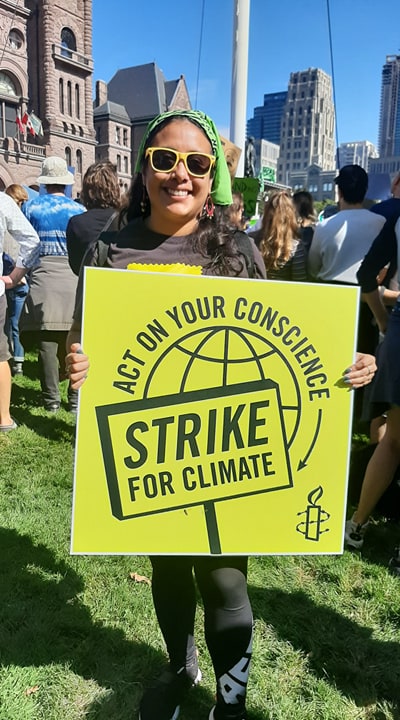
Now, a little bit of my story- my name is Karen, and I currently live in Toronto, Canada. I was born and raised in the most beautiful country- Mexico. I moved to Canada 6 years ago for university and a lot has changed from then . I have learnt so much about myself and also about other people and other cultures. I currently work as a fundraiser for Amnesty Intenational (my views here are not related to the organization)Although I love talking to donors and acvitivits my passion is in DOING things- writing, reading, researching, communication, and engaging in grassroot work.

I am very passionate about women’s sexual and reproductive rights, specially safe, free, and legal access to abortions. I believe in the free movement across borders , and I consider my activism journey an an ongoing process of decolonizing my mind, actions, spaces, and work.

In this blog you will find the stories people who are bringing down barriers and walls through their art, work, and activism. I will also write about current issues, campaigns, and ways you can start making a difference.

I am always looking to collaborate, learn, and engage with people so feel free to leave a comment, contact me, suggest things, and let me know if you have any problem with anything on this blog. My one rule- no hate accepted, please be respectful.

Thank you for reading – and I hope you enjoy my journey !

A Guide to Talk About Abortion

A Guide to Talk About Abortion

In honour of the Women’s marches taking place across cities in North America and the world, I have decided to write about one of the issues that is- still- highly contested and attacked: safe, legal, and free access to abortions.

In Canada, although abortions are not criminalized no law guarantees women’s access to this health service. Right now, proposed “Bill 207” in Alberta could severely limit access to sexual and reproductive health services including abortions, according to Amnesty International.

In Mexico, only the capital city provides abortion services free of charge. However, abortion is still included in the criminal code of the country. In El Salvador- which practices an outright ban- women can be charged with “homicide” if they are suspected of having an abortion.

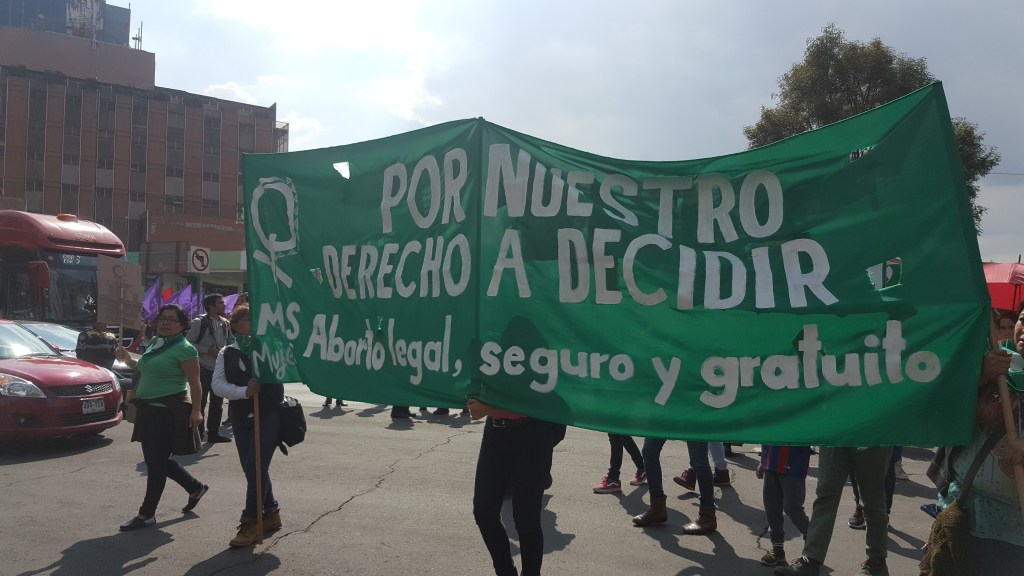
March demanding Legal Access to Abortion serivices- Mexico City -Mexico

The ani-abortion rhetoric in El Salvador- and in many other places- is highly linked to religious and moral principles of people, and of course- to the continued violence exercised against women through the control of their bodies and sexualities.

I believe that to change laws, you need to win people’s hearts; especially in countries where the anti-abortion rhetoric is predominant. For this reason, I have developed my own sort of “guide” that I use when engaging in conversations about the topic.

Before I start writing down my list I need to point out some important things : I never have conversations with people on Facebook, or with people I barely know. Second, I only talk to people who are open to have a conversation based on mutual respect. Finally, you are not responsible for having conversations with people, specially if you know that the conversation will hurt you. There are some people who are just not worth my time- and distancing from them is what is good for me and keeps me motivated to continue my work 😊 Here is my list :

1.- I never engage in conversations about whether is right or wrong to have abortions. For me, the conversations is about women’s access to legal, safe, and free abortions. I always bring the conversation back to “we are not discussing if it’s right or wrong, we are discussing whether it should be punished by law or not” . The “right or wrong” conversation is not relevant on health issue that endangers the lives of so many women.

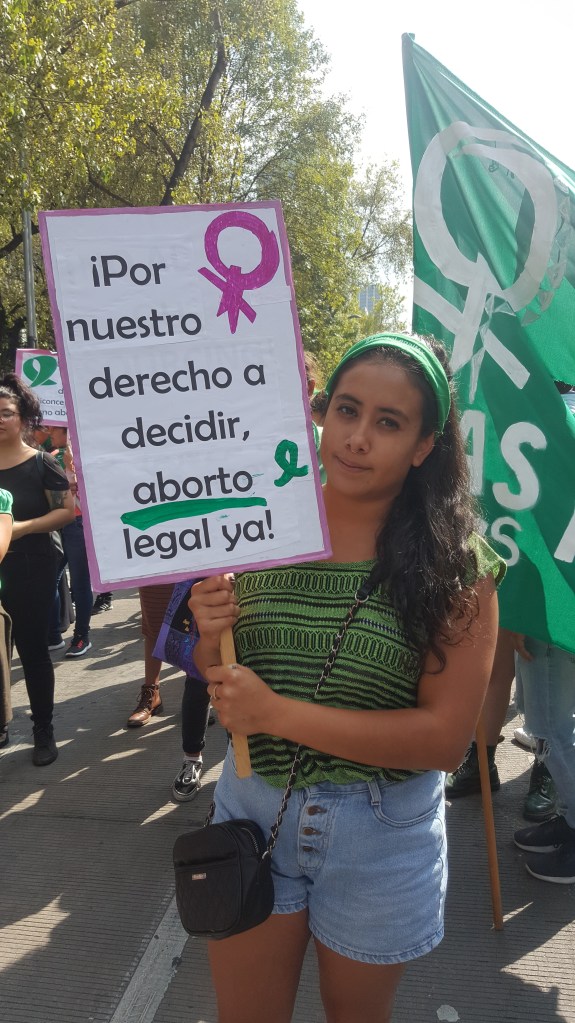
For our right to choose-Legal abortion now

2.-  Something that has helped a lot is asking people if they think that women who have abortions should be in jail. This question really throws people off balance, and it really opens the conversation about the “legal side” of the issue. I usually use phrases like: “What the movement is trying to achieve is that women are not put in jail for having abortions”   I have found that many people who think abortions are wrong don’t go as far as thinking it should be punished with prison.

3. -I always try to explain the many gray areas that criminalizing abortions creates. I explain how women in El Salvador who suffer miscarriages can be accused of homicide and be sent to jail. Or how in countries with restrictive abortion laws, women are denied the right to terminate their pregnancies, even when the pregnancy endangers their lives. Doctors often wait until a woman is at severe risk of dying before they can terminate the pregnancy, and even then, they risk being accused of homicide. Again, I try to put people first with sentences that sound like this “If I am happily pregnant, but I suffer I miscarriage, do you think I should go to jail?

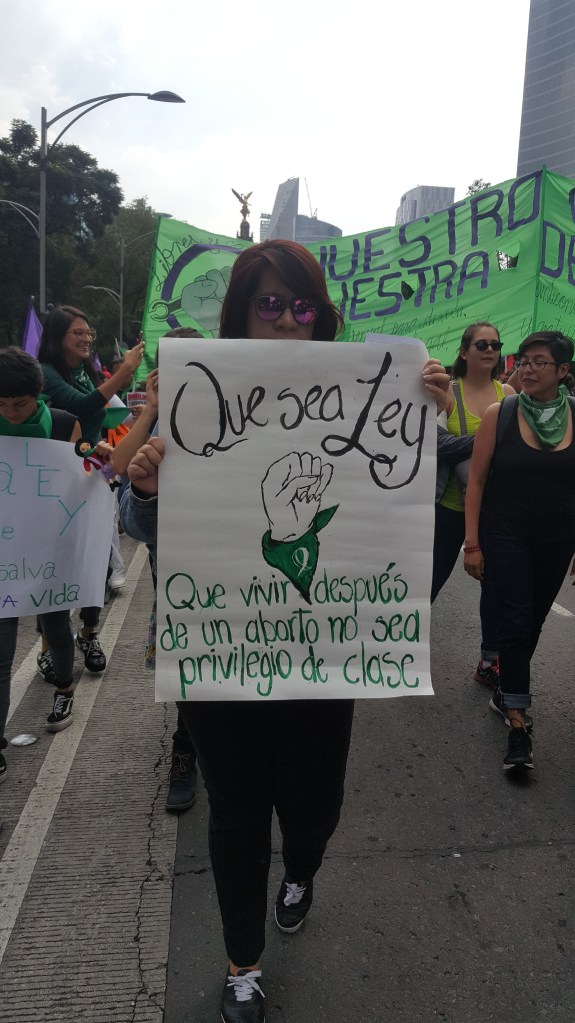
That surviving an abortion is not a class privilege

4.- Use real stories of people who have suffered the negative effects of criminalizing abortions, and explain what the “extremes” – El Salvador- look like.

5.- Talk about the social, economic, and health problems that forcing women to carry pregnancies to full term, creates for the entire society. Explain how WOC, indigenous women, women in rural areas and women living in poverty are more vulnerable to restrictive abortion policies. And how adolescent pregnancy can have many negative social and economic effects on the future of parents.

6.- Finally, I always remind people that: criminalizing abortions does not reduce abortions- period. What reduces abortions, is granting people with free access to contraceptive methods, comprehensive sexual education, and eliminating violence against women at all levels.

I hope this guide helps you engage in respectful and meaningful conversations with people- especially people that you care who lack knowledge about the issue 😊 Stay safe, and always prioritize your well-being and your mental health!

Happy marching day !